Free on iPhone · iOS 17.0+
Identify plants
from a photo
Plantive is a plant identifier and care app for iPhone. Photograph a plant, flower, tree or succulent to find its name, then learn its watering and light needs.
 Plantive Plantive
 Fiddle Leaf Fig
Ficus lyrata · Indoors
Watering
Every 7 days
Lighting
Bright indirect
Water today
Top 2" of soil is dry
What it does
Identification is the easy half
Knowing the name of a plant is only useful if it tells you what to do next. Plantive connects the species to a care routine, and the symptom to the cause.
Identify from a photo
Point your camera at any plant, flower, tree, leaf or succulent. Plantive names the species in seconds. No account needed to scan.
Care that fits your plant
Watering intervals, light requirements, humidity and feeding, all specific to the species you scanned rather than generic advice.
Diagnose what went wrong
Yellow leaves, brown tips, drooping stems. Work back from the symptom to the cause and the fix that actually addresses it.
Keep a living record
Save every plant you scan into your garden and build a collection you can actually keep track of over the seasons.
How it works
Three steps, about a minute
- 01
Take a photo
Get close, fill the frame with one leaf or flower, and use even natural light. Check that the distinctive features are in focus.
- 02
Get the species
Plantive returns the botanical and common name, so you can look up reliable care information rather than guessing from a shop label.
- 03
Follow the care plan
Watering rhythm, light level and the problems that species is prone to. Those are the things that determine whether it survives its first year.
Want the photography detail? Read how to identify a plant from a photo, including a flower-photo example and a checklist for verifying the result.
Plant care guides
Care that goes past the label
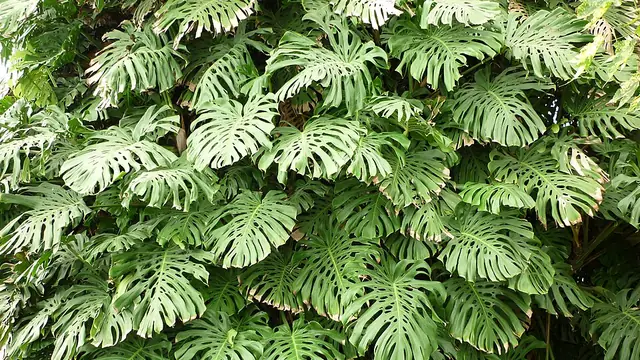
Monstera Deliciosa
Monstera deliciosa
- Light
- Bright indirect
- Water
- Every 1-2 weeks

Pothos
Epipremnum aureum
- Light
- Low to bright indirect
- Water
- Every 1-2 weeks
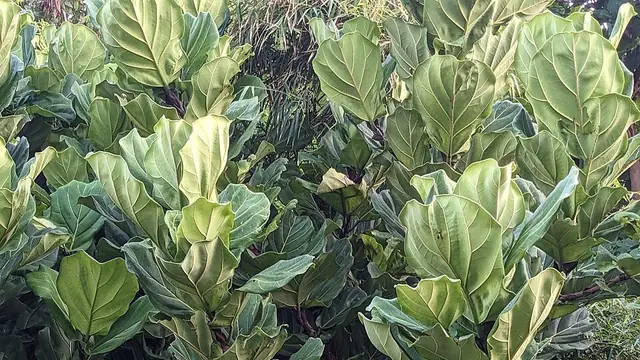
Fiddle Leaf Fig
Ficus lyrata
- Light
- Bright, some direct sun
- Water
- Every 7-10 days
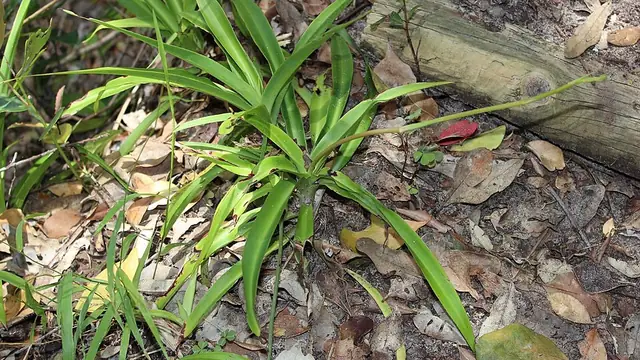
Spider Plant
Chlorophytum comosum
- Light
- Bright indirect
- Water
- Every 7-10 days
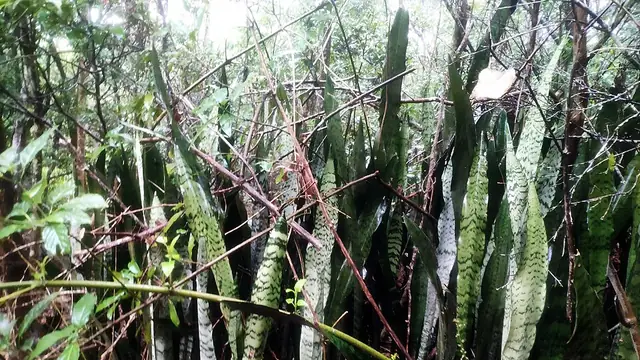
Snake Plant
Dracaena trifasciata
- Light
- Low to bright indirect
- Water
- Every 3-6 weeks
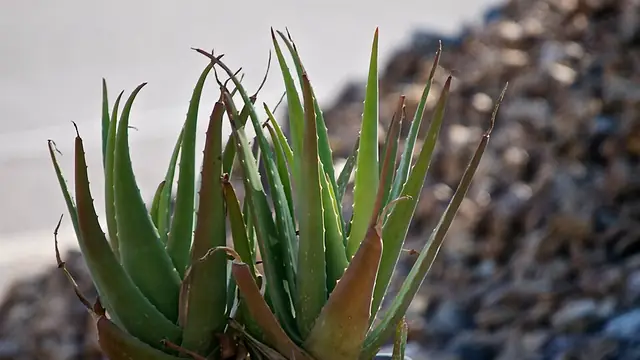
Aloe Vera
Aloe vera
- Light
- Bright, 6+ hours direct sun
- Water
- Every 2-4 weeks
Diagnose a problem
Start from the symptom
Monstera leaves with no holes or splits
Monstera leaves may stay solid because the plant is young or receives too little light. Check maturity and light first, then provide climbing support. Existing solid leaves will not develop natural splits later; look for changes in new growth.
Diagnose this → low severityTiny black flies around plant soil
Confirm the flies are fungus gnats, then address the damp potting mix where larvae develop. Use yellow sticky traps to monitor adults. If needed, choose a larval treatment labeled for fungus gnats on indoor potted plants, such as an appropriate Bti product.
Diagnose this → medium severityWilting, yellowing, but which cause?
Feel the soil two inches down and squeeze a leaf. Damp soil with soft limp leaves means overwatering. Dry soil with crisp papery leaves means underwatering.
Diagnose this → high severityRoot rot
Unpot the plant now. Healthy roots are firm and pale; rotted roots are brown, mushy and smell sour. Cut every rotted root away, repot into fresh dry mix, and do not water for a week.
Diagnose this → medium severityDrooping or wilting leaves
Check the soil before watering. Dry soil means thirst, so water and it recovers in hours. Wet soil means root rot, and watering again makes it worse.
Diagnose this → medium severityLeaves turning yellow
Overwatering causes yellow leaves far more often than anything else. Push a finger two inches into the soil: if it is damp, stop watering and let it dry out.
Diagnose this →From the blog
Get the fundamentals right
Pet Safe Houseplants: 14 Non-Toxic Plants for Cats and Dogs
Most popular houseplants are toxic to pets. These fourteen are not, plus the ones to avoid, and what to do in an emergency.
Read article → Getting startedHow to Repot a Houseplant: Timing, Pot Size and Soil
Repotting into too big a pot is one of the most common ways to kill a healthy plant. Here is how to do it properly.
Read article → Plant picks12 Best Low Light Houseplants That Genuinely Survive
Most "low light" lists include plants that need far more light than they suggest. These twelve genuinely tolerate dim rooms.
Read article →Questions about Plantive
Is Plantive free?
Yes. Plantive is free to download on the App Store and you can scan a plant without creating an account. Optional Pro subscriptions and a lifetime unlock are available as in-app purchases for people who want the full feature set.
What can Plantive identify?
Plants, flowers, trees, leaves, succulents and houseplants. Identification works best on a sharp, well-lit close-up of a distinctive feature, such as a flower or a single leaf against a plain background, rather than a wide shot of a whole garden bed.
Which devices does Plantive run on?
Plantive is an iPhone app and requires iOS 17.0 or later. The download is around 15 MB, and the plant care guides on this website are free to read on any device with no app required.
How accurate is photo-based plant identification?
Accuracy depends on the plant, the tool and the evidence in the photo. Use a clear image of one subject, then compare the suggested name with its leaves, flowers and growth habit. Similar species and named cultivars may need more evidence than a single image provides.
Can I use Plantive to check whether a plant is safe for my pet?
You can use it to identify the species and read its toxicity information, and our pet-safe plants guide covers the common ones. But never rely on an app alone in an emergency. If a pet has eaten part of a plant, call your vet or an animal poison control line immediately and bring the plant or a photo with you.