
Spider Plant Care Guide
Chlorophytum comosum
Also called Airplane plant, Ribbon plant, Spider ivy
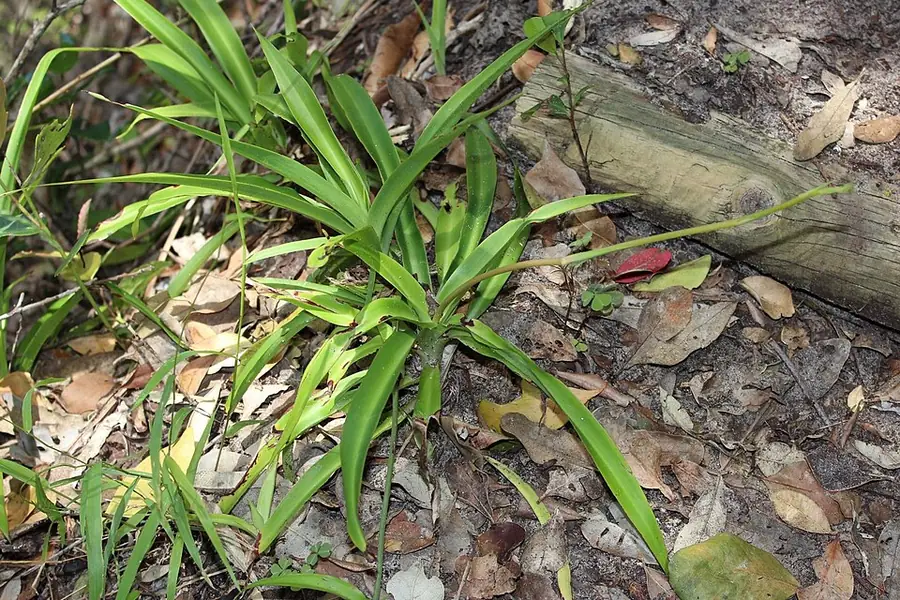
Photo Tony Rebelo · CC BY-SA 4.0 via Wikimedia Commons
- Family
- Asparagaceae
- Native to
- Coastal southern and western Africa
- Mature size
- 1-2 ft tall, with runners trailing 2-3 ft
- Toxicity
- Non-toxic to cats and dogs. Cats are often attracted to the foliage; large quantities may cause mild stomach upset, but it is one of the safest common houseplants.
Spider Plant care at a glance
Light
Bright indirect
Bright indirect light produces the strongest variegation and the most runners. Tolerates medium light with slower growth. Direct sun scorches the leaves.
How to measure light at homeWater
Every 7-10 days
Let the top inch dry, then water thoroughly. Spider plants store water in thick tuberous roots and handle occasional neglect well.
How to water houseplants properlyHumidity
40-60%
Average household humidity is fine. Higher humidity reduces the brown tips this plant is known for.
Temperature
60-80°F (15-27°C)
Very adaptable. Keep above 50°F (10°C) and away from cold drafts.
Soil
Standard well-draining potting mix
Ordinary indoor mix with a little perlite. Not fussy, but the pot must drain.
Fertiliser
Monthly in spring and summer
Half-strength balanced feed. Over-fertilising is a leading cause of brown tips, so err on the light side.
Repotting
Every 1-2 years
The thick white tuberous roots fill a pot fast and can crack plastic containers. Repot in spring or divide the clump.
How to repot a houseplantPropagation
Plantlets ("spiderettes")
Pin a plantlet into a small pot of soil while still attached to the runner. Once rooted in 2-3 weeks, snip the runner.
The spider plant is a good first houseplant and an even better one for a home with pets. It is fast, forgiving, non-toxic, and it produces free plants on long arching stems all summer. Its one recurring complaint, brown tips, has a specific and fixable cause.
Brown tips: it is usually your water
Spider plants are unusually sensitive to fluoride, and to a lesser degree chlorine, both of which are added to most municipal tap water. The plant draws water up to the leaf tips, the water evaporates, and the minerals stay behind and burn the tissue.
The fix is straightforward:
- Use filtered, distilled or rainwater, or
- Leave tap water in an open jug overnight, which off-gasses chlorine though not fluoride
- Flush the pot with plain water for a minute or two twice a year to leach out accumulated salts
- Feed at half strength, no more than monthly in the growing season
Dry winter air contributes too. Getting humidity up to around 50% noticeably reduces new tip burn.
Existing brown tips will not turn green again. Trim them with clean scissors at a shallow angle following the leaf’s natural taper, which looks far better than a straight cut.
Watering
Let the top inch of soil dry, then water thoroughly until it drains from the bottom. That is usually every 7-10 days in spring and summer, and every 10-14 days in winter.
Spider plants store water in thick, white, tuberous roots. If you look at a root-bound one you will see them packed like fat noodles. That reserve means an occasional missed watering is genuinely fine. Chronic overwatering, on the other hand, rots those tubers.
Light and variegation
Bright indirect light is the target. It gives you:
- The strongest contrast in variegated cultivars like ‘Vittatum’ and ‘Variegatum’
- The most runners and plantlets
- Compact, arching growth rather than floppy stretching
Direct sun bleaches the leaves to a pale, washed-out yellow-green. Medium light is tolerated but produces fewer babies.
Growing the babies
Those little plantlets dangling on runners, the spiderettes, are the plant’s whole charm, and they root very easily.
The reliable method:
- Fill a small pot with moist potting mix and set it next to the mother plant.
- Lay a plantlet on the surface, still attached to its runner.
- Pin it down with a bent paperclip or hairpin so the little root nubs touch the soil.
- Keep the mix lightly moist. Roots establish in two to three weeks.
- Snip the runner once the plantlet is anchored and pushing new growth.
Because the runner keeps feeding it, this method almost never fails.
Water rooting also works. Stand a detached plantlet in a glass with the base submerged, change the water weekly, and pot it once roots are an inch long. Slightly less reliable, but easier to watch.
Why yours might not be making babies
Spider plants flower and produce plantlets when they are mature and slightly root-bound, and only with enough light. If yours is leafy but barren:
- Move it to brighter indirect light
- Stop repotting it into bigger containers, since a snug pot triggers flowering
- Give it a season; young plants simply are not ready
Repotting and dividing
Those tuberous roots fill a pot remarkably fast and can genuinely crack a plastic one. Repot every year or two in spring, moving up one size, or better still, divide.
To divide, tip the plant out, cut down through the root mass with a clean knife to separate two or three clumps, and pot each separately. Each division should have a good share of both leaves and tuberous roots.
Spider Plant problems and fixes
| Symptom | Likely cause | What to do |
|---|---|---|
| Brown, crispy leaf tips | Fluoride and chlorine in tap water, dry air, or over-fertilising | Switch to filtered, distilled or stood tap water, feed at half strength, and flush the soil twice a year. This is the classic spider plant complaint. Full guide → |
| No runners or babies | Not enough light, plant too young, or pot too large | Move to bright indirect light. Spider plants produce plantlets when mature and slightly root-bound, so resist over-potting. |
| Pale, washed-out leaves losing their stripe | Too much direct sun | Move out of direct light. Variegation strengthens again in bright but indirect conditions. |
| Leaves yellowing and base going soft | Overwatering | Let the top inch dry between waterings and make sure the pot is not sitting in water. Full guide → |
Spider Plant FAQs
Are spider plants safe for cats and dogs?
Yes. Chlorophytum comosum is listed as non-toxic to cats, dogs and horses. Cats are often drawn to the arching leaves and may chew them, which can cause mild vomiting simply from eating plant material, but there are no toxic compounds involved. It is one of the best choices for a home with pets.
Why does my spider plant have brown tips?
Spider plants are unusually sensitive to fluoride and chlorine in tap water, which accumulate at the leaf tips and burn them. Switch to filtered or distilled water, or leave tap water in an open jug overnight. Dry air and over-fertilising cause the same symptom, so feed at half strength and flush the soil with plain water twice a year.
How do I root spider plant babies?
The easiest method is to leave the plantlet attached to the mother plant, set a small pot of moist soil next to it, and pin the base of the plantlet onto the surface with a bent paperclip. It roots in two to three weeks while still being fed by the runner, and you then snip the runner. Detached plantlets also root in water or soil, just less reliably.
Why is my spider plant not producing babies?
Three common reasons: not enough light, immaturity, or too big a pot. Spider plants flower and send out runners when they are mature and slightly root-bound, and they need bright indirect light to fuel it. A young plant in a generous pot will put its energy into roots and leaves instead.
Should I cut the brown tips off my spider plant?
You can, purely for looks. Trim with clean scissors, cutting at a shallow angle to mimic the natural leaf point rather than straight across. The cut edge will not turn green again, and trimming does not fix the underlying cause, so change the water and feeding first.
Related care guides
Published by Plantive · Published June 20, 2026 · Updated August 15, 2026