
Plant Care Guides
Species-specific care for the houseplants people actually own: how often to water, how much light they really need, and the problems each one is prone to before they start.
Every plant care guide
Watering intervals, light needs, soil, propagation and the problems each species is prone to. Pick the plant you own.
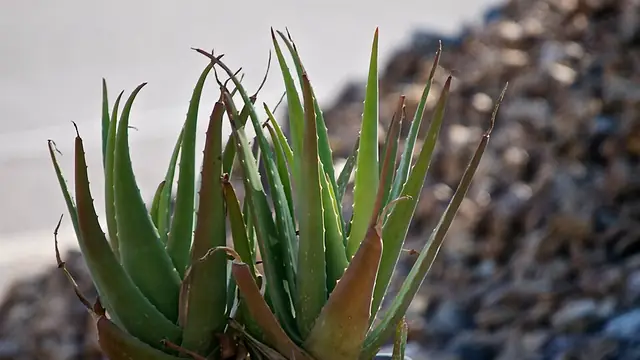
Aloe Vera
Aloe vera
- Light
- Bright, 6+ hours direct sun
- Water
- Every 2-4 weeks
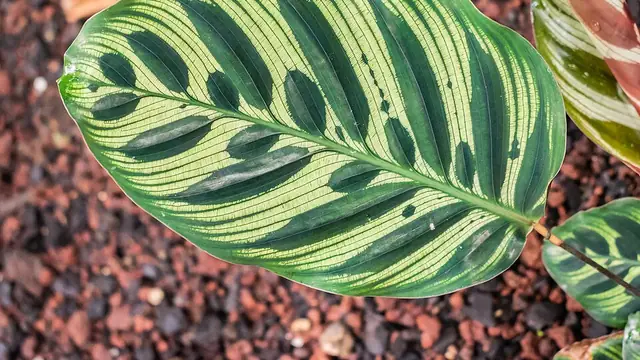
Calathea
Goeppertia spp.
- Light
- Medium indirect, never direct
- Water
- Every 5-7 days
Christmas Cactus
Schlumbergera × buckleyi
- Light
- Bright indirect light
- Water
- When the top of the mix is dry
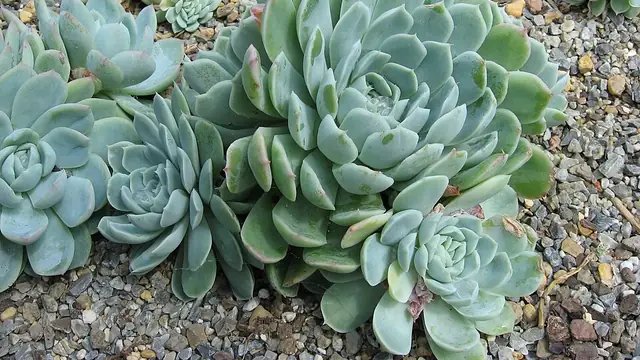
Echeveria
Echeveria spp.
- Light
- 6+ hours direct sun
- Water
- Every 2-3 weeks
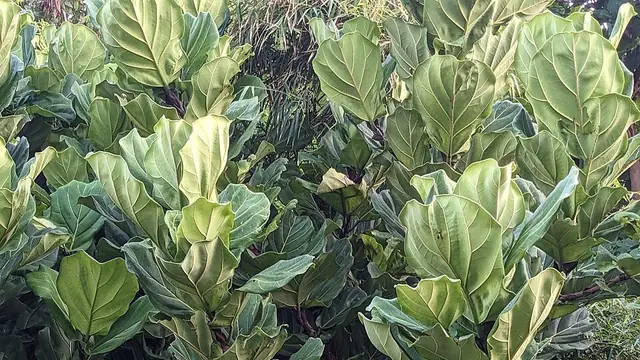
Fiddle Leaf Fig
Ficus lyrata
- Light
- Bright, some direct sun
- Water
- Every 7-10 days
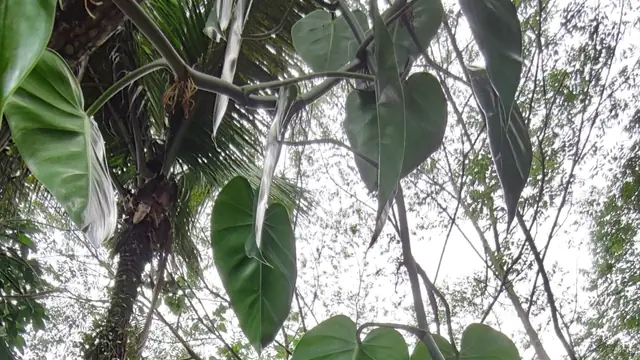
Heartleaf Philodendron
Philodendron hederaceum
- Light
- Medium to bright indirect
- Water
- Every 7-10 days
Jade Plant
Crassula ovata
- Light
- 4+ hours of direct sun
- Water
- Soak, then let it dry
Money Tree
Pachira aquatica
- Light
- Bright, filtered light
- Water
- When the mix has nearly dried
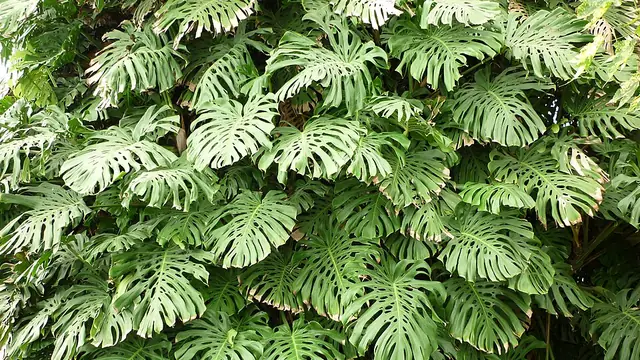
Monstera Deliciosa
Monstera deliciosa
- Light
- Medium to bright indirect
- Water
- When the top 1-2 inches are dry
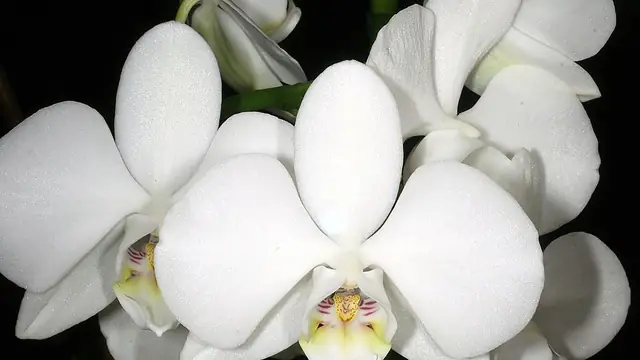
Moth Orchid
Phalaenopsis spp.
- Light
- Bright indirect
- Water
- Every 7-10 days
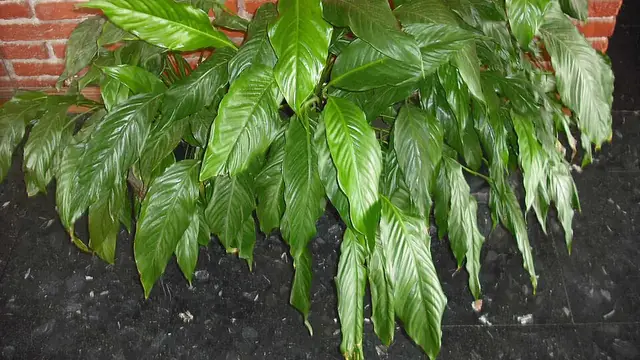
Peace Lily
Spathiphyllum wallisii
- Light
- Medium indirect
- Water
- Every 5-10 days
Poinsettia
Euphorbia pulcherrima
- Light
- Bright, near a sunny window
- Water
- When the surface feels dry
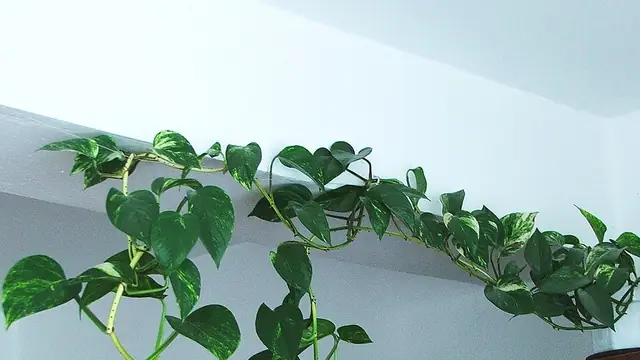
Pothos
Epipremnum aureum
- Light
- Low to bright indirect
- Water
- When the soil has partly dried
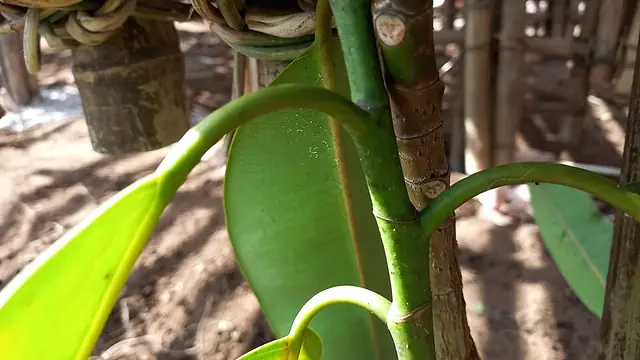
Rubber Plant
Ficus elastica
- Light
- Bright indirect
- Water
- Every 7-14 days
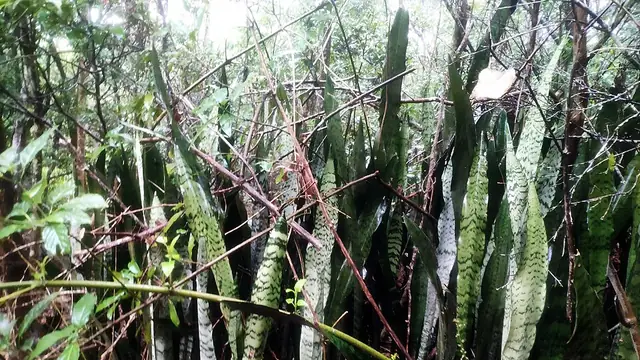
Snake Plant
Dracaena trifasciata
- Light
- Low to bright indirect
- Water
- Let the mix dry between waterings
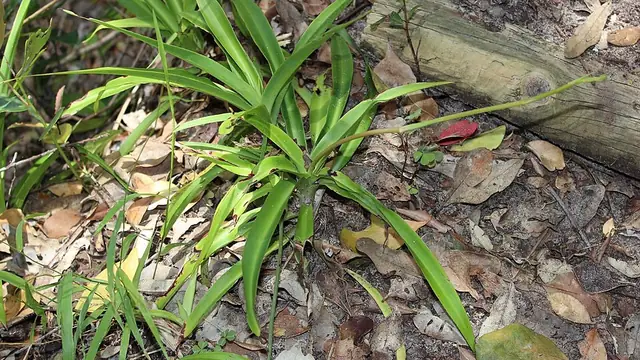
Spider Plant
Chlorophytum comosum
- Light
- Bright indirect
- Water
- Every 7-10 days
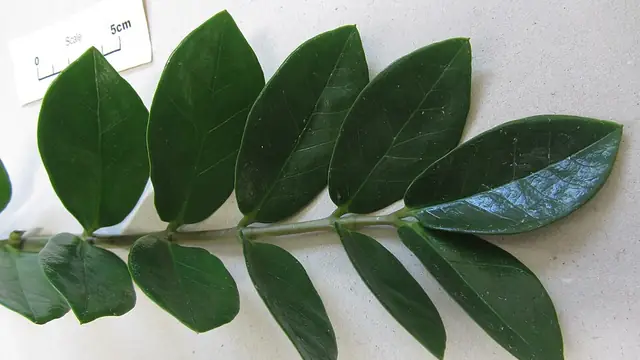
ZZ Plant
Zamioculcas zamiifolia
- Light
- Low to bright indirect
- Water
- Every 3-6 weeks
Easiest plants to keep alive
Forgiving of missed waterings, adaptable about light, and quick to recover from mistakes.
Aloe Vera
Every 2-4 weeks
Christmas Cactus
When the top of the mix is dry
Heartleaf Philodendron
Every 7-10 days
Jade Plant
Soak, then let it dry
Money Tree
When the mix has nearly dried
Monstera Deliciosa
When the top 1-2 inches are dry
Peace Lily
Every 5-10 days
Pothos
When the soil has partly dried
Rubber Plant
Every 7-14 days
Snake Plant
Let the mix dry between waterings
Spider Plant
Every 7-10 days
ZZ Plant
Every 3-6 weeks
Safe for cats and dogs
Non-toxic species. For the wider list and what to do in an emergency, see pet safe houseplants.
Tolerate lower light
Suitable for north-facing rooms and spots away from a window. See also the best low light houseplants.
Plant care questions
How often should I water my houseplants?
There is no single answer. It depends on the species, pot size and material, light, temperature and season. The same plant may need water weekly in July and every three weeks in January. Check the soil on a regular schedule rather than watering on one, and use each species guide for the depth of dryness that particular plant wants.
Which houseplants are easiest for a complete beginner?
Pothos, snake plant, ZZ plant and spider plant are the four most forgiving. All tolerate irregular watering, adapt to a range of light levels, and recover well from mistakes. Pothos and spider plants also propagate almost effortlessly, which makes them satisfying to learn on.
Which of these plants are safe for cats and dogs?
Spider plants, calatheas, Phalaenopsis orchids and echeveria are listed as non-toxic to cats and dogs. Pothos, monstera, philodendron, peace lily and ZZ plant contain irritating calcium oxalate crystals. Aloe vera and rubber plants are also unsuitable for pets, but their toxic compounds differ. Check the botanical name against a veterinary reference; non-toxic does not mean a plant should be eaten.
Why do my plants keep dying?
Overwatering and insufficient light account for the large majority of houseplant deaths. Both are easy to correct once identified: check soil moisture before watering rather than following a schedule, and be honest about how much light a spot genuinely gets. If you could not read a book there at midday without a lamp, it is a low-light position.