
ZZ Plant Care Guide
Zamioculcas zamiifolia
Also called Zanzibar gem, Eternity plant, Emerald palm
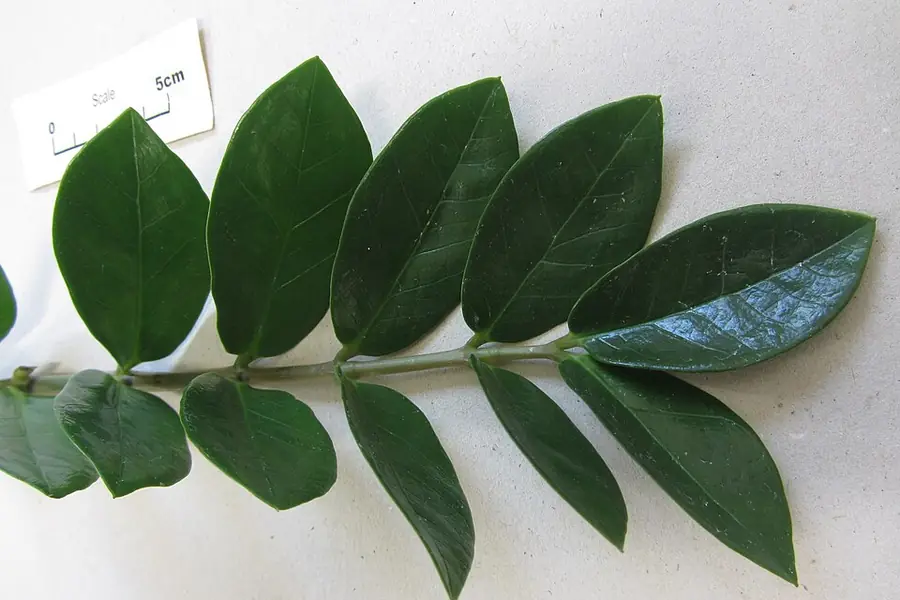
Photo John Braggins · CC BY 4.0 via Wikimedia Commons
- Family
- Araceae
- Native to
- Dry grassland and forest of eastern Africa, from Kenya to South Africa
- Mature size
- 2-3 ft tall and wide
- Toxicity
- Calcium oxalate crystals throughout. Causes mouth irritation and stomach upset in pets; sap can irritate skin.
ZZ Plant care at a glance
Light
Low to bright indirect
One of the few plants that genuinely does well far from a window. Grows faster in bright indirect light but never needs it.
How to measure light at homeWater
Every 3-6 weeks
Let the soil dry out completely. The underground rhizomes store water, so a ZZ plant tolerates a month of neglect without complaint.
How to water houseplants properlyHumidity
Any
Completely indifferent. Handles dry heated air, offices and bathrooms equally well.
Temperature
60-80°F (15-27°C)
Keep above 45°F (7°C). Cold, wet soil causes rhizome rot faster than anything else.
Soil
Fast-draining cactus mix
Cactus mix, or potting soil cut with a third perlite. Drainage matters far more than fertility here.
Fertiliser
2-3 times a year
A half-strength balanced feed in spring and midsummer. ZZ plants grow slowly and need very little.
Repotting
Every 2-3 years
Repot when the rhizomes visibly push against the pot walls or deform a plastic container.
How to repot a houseplantPropagation
Division, or leaf cuttings (slow)
Divide the rhizomes in spring for instant new plants. Leaf cuttings work but take 6-12 months to form a rhizome.
If the snake plant is hard to kill, the ZZ plant is harder. It stores water underground in thick rhizomes, tolerates deep shade, ignores humidity, and looks glossy and deliberate the entire time. It is the plant for the hallway with one small window, or the office desk you leave for two weeks at a time.
Watering: less than you think
The whole care routine hinges on this. Those swollen rhizomes under the soil are water tanks. The plant is built for a climate with long dry seasons.
Let the soil dry out completely, then water thoroughly. Every three to six weeks in the growing season is typical. In a dim, cool room in winter, once every eight weeks is entirely reasonable.
If you are unsure, wait. A thirsty ZZ plant shows no symptoms for weeks. An overwatered one rots from the rhizome outward and often looks fine right up until several stems collapse at once.
Light
ZZ plants photosynthesise efficiently enough to grow in genuinely low light: a bookshelf across the room from a window, a north-facing hall, an office lit by ceiling panels. It sits near the top of our list of low-light houseplants.
That said, “tolerates low light” means slow growth. In bright indirect light a ZZ plant might push three or four new stems a year; in a dim corner, one. Both plants stay healthy.
The one thing to avoid is direct summer sun, which scorches the glossy leaflets.
Recognising rhizome rot
The failure mode is always the same, and it starts underground where you cannot see it.
Warning signs, roughly in order:
- Soil that is still damp three weeks after watering
- One or two stems yellowing from the bottom up
- Stem bases that feel soft when squeezed gently
- Stems falling away from the plant with no resistance
To treat it, tip the plant out and inspect the rhizomes. Healthy ones are firm and pale, like a small potato. Cut away anything brown, soft or foul-smelling with a clean knife, let the cuts dry in open air for 24 hours, and repot into dry cactus mix. Wait a full week before the first watering.
Propagation
Division is the fast route. In spring, tip the plant out, tease the rhizome clumps apart, and pot each piece with at least one stem into its own container. You get a mature plant immediately.
Leaf cuttings are the slow route, but they are strangely satisfying. Pull a leaflet from a stem, keeping the little base intact, and push it a centimetre into barely damp cactus mix. Over the next six to twelve months it forms a tiny rhizome, and eventually a shoot. Do several at once, because some fail and none of them are quick.
Cleaning and upkeep
Those glossy leaflets collect dust, which dulls the finish and blocks light. Wipe them with a damp cloth every month or two. Skip leaf-shine products, because they clog the pores the plant breathes through and leave a residue that attracts more dust.
Cut any stem that has gone yellow or become badly floppy right back to soil level. New stems emerge from the rhizome, not from the old stem, so there is nothing to save.
ZZ Plant problems and fixes
| Symptom | Likely cause | What to do |
|---|---|---|
| Yellowing stems that turn soft and fall over | Overwatering and rhizome rot | Unpot, cut away any soft brown rhizome tissue, let it callus for a day and repot in dry cactus mix. Water far less often. Full guide → |
| Stems stretching tall and flopping outward | Too little light | Move somewhere brighter. The stems will not shorten, but new growth comes in compact, so remove the worst floppy stems at the base. Full guide → |
| Leaflets dropping when touched | Severe drought stress or cold damage | Water thoroughly and move away from cold glass. ZZ plants shed leaflets to conserve resources and regrow them once conditions improve. |
| Brown tips on otherwise healthy leaflets | Fluoride or salt build-up from tap water | Switch to filtered water and flush the pot with plain water twice a year. Full guide → |
ZZ Plant FAQs
How often should I water a ZZ plant?
Every three to six weeks in spring and summer, and as little as every two months in winter. The soil should be completely dry before you water again. ZZ plants store water in potato-like underground rhizomes, so they handle long dry spells easily and are killed by frequent watering.
Can a ZZ plant survive in low light?
Yes, better than almost any other houseplant. It grows well several metres from a window and copes with rooms lit mainly by fluorescent office lighting. It will grow faster in bright indirect light, but low light causes it no harm, just slower growth.
Why is my ZZ plant turning yellow?
Overwatering, in nearly every case. If several stems are yellowing and the bases feel soft, unpot the plant and check the rhizomes for brown mushy areas. A single old outer stem yellowing slowly over months is normal ageing and can be cut off at the base.
Is the ZZ plant poisonous?
It contains calcium oxalate crystals, which cause mouth and throat irritation, drooling and stomach upset if chewed by pets or children. The old rumour that ZZ plants are dangerously toxic or carcinogenic is false, but the sap can irritate skin, so wash your hands after pruning.
How do I propagate a ZZ plant quickly?
Divide it. In spring, tip the plant out and separate the rhizome clumps by hand, making sure each piece has at least one stem and some roots. Pot each into dry cactus mix. Leaf cuttings also work, by pushing a leaflet base into damp mix, but they take six months to a year to form a rhizome and produce a shoot.
Related care guides
Published by Plantive · Published June 15, 2026 · Updated August 13, 2026